

Why Your Rankings Keep Dropping and You Don’t Even Know It
You didn’t touch a single page, didn’t change your hosting, didn’t do anything different — yet your traffic just dropped 30-60%, and nobody on your team can explain why.
This happens more often than people admit, and most site owners don’t catch it until the damage is already done. By the time you finish reading this, you’ll know exactly which of the eight common causes is hurting you and what to fix first.
Whether you run an e-commerce store, a SaaS product, or a local service business, working with a professional SEO company in India or figuring this out yourself, this breakdown applies either way.
Key Takeaways:
- Rankings rarely drop for one obvious reason — it’s usually 1 of 8 recurring, overlapping causes.
- Always confirm it’s a real drop first — compare two 28-day GSC windows before you diagnose anything.
- Flat rankings don’t mean flat traffic — SERP features like AI Overviews can quietly kill your clicks.
- No penalty notice doesn’t mean no damage — Google can demote content silently through core updates.
- The answer is almost always already in Search Console — you just have to know where to look.
Quick Reality Check: Are You Actually Dropping?
Before panicking, figure out if this is a real drop or just normal SERP noise. Pull up Google Search Console and compare two 28-day windows, then break it down by page type and query type.
Look at the shape of your ranking drop — a sudden cliff means something different than a slow, steady slide. That shape alone tells you a lot about what’s actually going on.
The 8 Hidden Reasons Your Rankings Keep Dropping
Most ranking drops aren’t random — they usually trace back to one of eight recurring causes, and once you know what to look for, spotting yours gets a lot easier. Here’s what to check first.
Google Core & Spam Updates You Didn’t Notice
Core updates can knock your rankings down even when you haven’t changed a thing on your site. If you’re a local business asking yourself why my Google business profile isn’t showing up the way it used to, an unannounced core update is often the real culprit, not anything you did wrong.
The March 2026 core update volatility block shows the real changes which help you understand where your strategies are still lacking.
Content Decay & Intent Shift
Content doesn’t just sit there staying relevant forever. It quietly goes stale as what people search for shifts underneath it. This isn’t rare either: content decay costs 68% of websites organic traffic every year, and it usually starts small, around a 10-15% dip that most site owners brush off until it snows. A professional SEO company in India would typically catch this early by comparing your worst dropping pages in GSC against what’s currently ranking for those same queries.
Technical SEO Regressions
Sometimes the problem isn’t your content at all; it’s something broken under the hood nobody noticed. According to one audit report, sites not optimized for Core Web Vitals are 48% more likely to drop in rankings after an update, and the same report found over 60% of traffic losses trace back to technical SEO or site structure issues.
Running through a proper technical SEO checklist regularly because 73% of pages with good CWV always come in top 10 placements. Core Web Vitals and indexing status in GSC, catches this before it eats weeks of traffic.
Can’t Find Your Business on Google?
Backlink Loss & Profile Quality Issues
Lose a few solid backlinks and don’t be surprised if a page quietly drops. It’s more common than people think; sites that lose high-authority backlinks can see a 20-40% decline in keyword visibility, and separately, 66.5% of links pointing to sites over the past nine years are already dead.
Check your linked pages inside GSC or run your domain through Ahrefs to see what disappeared, and watch for spammy links dragging your profile down too.
Cannibalization & Internal Competition
Two of your own pages end up fighting each other for the same keyword, and neither one wins. It’s a real fix, not just theory. This is why keyword cannibalism needs to be stopped; otherwise, your rankings will keep decreasing.
You’ll usually spot it as a jagged, sawtooth pattern in rankings, and fixing it means merging pages, cleaning up internal links, and sorting out canonical tags.
SERP Feature Changes & CTR Cannibalization
Your ranking position can stay exactly the same while your traffic quietly disappears. AI Overviews are a big reason why organic CTR sits at 2.36% on searches showing an AI Overview, compared to 3.82% where none appears, per Seer Interactive’s 2026 data.
Rank and traffic just aren’t the same thing anymore, so check impressions versus CTR in GSC — if impressions held steady but clicks dropped, this is likely why.
AI-Generated & Low-Effort Content Penalties
Mass-produced content with no real depth or first-hand experience is getting quietly demoted, no penalty notice required. This is exactly the kind of gap the best SEO expert in India would flag immediately.
They make result-driven strategies and add real data, examples, and clear author credentials to fix it.
Site Changes, Migrations, and Invisible Mistakes
A redesign or CMS migration can break canonicals, kill internal links, or strip out schema without anyone realizing it happened.
Most website redesign mistakes show up clearly once you run a crawl report and compare it against your pre-migration snapshot.
Real-World Mini Case Study
One e-commerce site lost half its traffic almost overnight after the March 2026 core update. The cause wasn’t a penalty; it was thin, repetitive product descriptions that read like they’d been churned out by AI with zero human input. Once they rewrote the pages with real detail and specifics, rankings started climbing back within weeks.
Getting Traffic But Still No Leads?
Conclusion
Most ranking drops feel mysterious right up until you actually dig into the data — then the cause is usually sitting right there in Search Console. Whether you handle this in-house or bring in a professional SEO company in India to run the diagnosis for you, the fix almost always comes down to finding the right cause on this list and addressing it directly. Want a free SEO audit checklist, or ready to book a strategy call to get this sorted?
Stop Guessing: How to Track Instagram, TikTok, X & YouTube Search Performance Like a Pro
Instagram alone now sits at roughly 3 billion monthly active users, and TikTok isn’t far behind; these platforms are used every day, yet most people have no idea which posts actually appear in search results.
That blind spot is exactly why so many teams end up calling the best SEO consultant in India rather than guessing their way through another quarter.
Google closed part of the gap in July 2026 with “platform properties” in Search Console – a way to verify Instagram, TikTok, X, and YouTube accounts directly – no website required.
What Do Platform Properties Actually Show You?
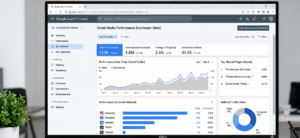
Each verified account becomes its own property, separate from any domain. You get clicks, impressions, CTR, and average position, pulled from Google Search, Discover, and Google News.
This is different from what the apps themselves report. Instagram Insights inside the app is never what someone typed into Google first.
Two counting quirks matter here. Instagram stories that show up in search count as impressions, and a video click counts even if it plays in Google’s own viewer rather than on your channel.
How Do You Verify An Account?
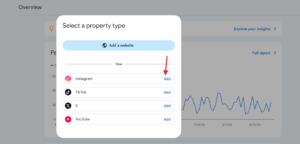
Open Search Console, click “Add Property”, and pick a platform. Verification runs through the account login, not via a DNS record or file upload, and Google says it takes a few days for the data to start showing.
There’s no historical backfill – charts only cover days since verification. That’s worth knowing before you assume last year’s numbers exist somewhere. Anyone building a technical SEO checklist for 2026 should add “verify social platform properties” right alongside sitemap and crawl checks, since it’s now part of the same visibility picture.
Which Metrics Actually Matter?
Average position reads differently here than on a website. A reel sitting at position 8 isn’t failing; that results page also holds ten web listings competing for the same spot.
The number worth tracking is a distinct query count, not raw clicks. A post with 40 clicks from 25 different search terms is really handing you 25 content ideas, not one metric to celebrate. Compare that against LinkedIn, which, despite its own 310 million monthly active users, still isn’t supported as a platform property – so if your team leans on LinkedIn content, this particular report won’t help there yet.
What Mistakes Waste This Data?
Benchmarking in week one is the most common one – a few days of collection describes your setup date, not your performance. Reading average position like a normal website ranking is the second; carousels and video packs don’t behave like blue links.
Treating this as a replacement for app analytics is a third mistake. Watch time, saves, and follower growth are still native. And a smaller trap: teams verify one flagship account and stop, when the underperforming in-app account is sometimes the one quietly earning search traffic nobody’s watching.
How Often Should You Actually Check This?
Thirty minutes a month covers it. Pull the query list and sort by impressions with low clicks — those are searches where Google shows your content, but people pick something else. Rewrite the caption to match the query or build a page on your own site if the intent is commercial.
This is one small piece of what falls under ‘modern digital marketing strategies in 2026‘ — measurable, low-cost habits that compound over months rather than one-off campaigns.
What If You’re Working with a Tight Budget?
Verification itself costs nothing but time, which makes it a rare case where the right SEO solution on tight budget constraints are genuinely free. It’s also unrelated to a separate, common complaint — “my Google Business Profile isn’t showing up in local search” — which is a Maps and local pack issue, not something these platform reports touch.
Conclusion
Search Console didn’t add social analytics so much as hand back the other half of the picture that social apps could never show – the actual search intent behind a post. If reading these reports monthly isn’t realistic alongside everything else, that’s usually where the best SEO consultant in India earns their retainer. Either way, verify the accounts this week — the history starts the day you connect, and there’s no going back on it later.
10 Website Redesign Mistakes That Can Hurt SEO Rankings & Organic Traffic
Many business owners want to redesign their website every four to five years just to get a fresh vibe, but a website’s redesign should not hinder your growth. Instead, it should bring positive results without damaging your SEO rankings or potential leads.
To be honest, it is quite difficult to cut through the noise in this highly competitive marketplace. You may notice some of your pages will disappear, URLs can change, content may lose relevance, and technical issues will appear if you don’t take advice from the best SEO consultant in India.
This blog will walk you through 10 redesign mistakes that silently kill your organic traffic and gradually erode your SEO rankings. The practical fixes are given to help your team resolve any problems before launching.
Key Takeaways:
- Think of SEO from day 1; not after the launch.
- Redirects from older pages to newer ones are non-negotiable.
- Focus on technical basics like metadata, SSL, speed, backlinks, and canonical tags, as they are highly likely to be lost after a redesign.
- Design and UX should work hand in hand and must not compete with each other.
- Nothing should go live without pre-launch overall testing.
10 Web Redesign Mistakes to Avoid Losing Rankings & Leads
- Ignore SEO from Day 1
When it comes to web design, owners mostly start with better wireframes and color palettes, leaving SEO as an afterthought. What’s the point of having an aesthetic store if no one can find it? Think of it, and then you can understand the importance of SEO and start acting on it. Reports suggest that the earlier you start, the sooner it can build momentum, as it generally takes 3-6 months to show results.
Fix:
- Hire the best SEO expert in India who is experienced enough to handle cases like website redesign issues.
- Take time to map keywords, URLs, and content structure even before design work begins.
- You can also connect with a professional SEO team and discuss your SEO requirements.
- Not Refreshing Existing Content
During a redesign, everyone focuses heavily on appearance, so the blogs or service pages that were once ranked slip in rankings. Instead of posting more and more blog posts, try revamping your existing ones with new features and perspectives. Add new ideas such as FAQs, key takeaways, or screenshot-based methodologies to signal fresh content to search engines.
Fix:
- Conduct a thorough audit before removing old blogs.
- Instead of just changing the year, remove outdated statistics and evidence.
- Add new credentials, such as an author bio and screenshots.
- No Metadata Linking
Page titles and meta descriptions help search engines to fetch the right page. So, add uniqueness to your content and include canonical tags relevant to your post. During a redesign, these elements can disappear when templates are replaced. Then it becomes difficult for search engines to find your content, and therefore rankings drop.
Fix:.
- Take time to recreate metadata for every page before launch.
- Always use canonical tags relevant to your post, and ensure nothing is duplicated or left blank.
- Prioritize Design Over UX
Most business owners run after striking visual layouts instead of focusing on functionality. Maybe your website looks fabulous, and seeing that visitors step into it. But what do you think, do they convert when they notice confusing navigation, unclear CTAs, oversized images that look different on different devices, and so on? After redesigning, a website should look fabulous while keeping its functional features intact.
Fix:
- Confusing navigation can drop conversions from 5.3% to 4.4%, proven in an experiment.
- So, before going live, make your site’s navigation smooth and test speed and readability.
- Maintain brand consistency and provide benefit-oriented CTAs.
- Avoid Mobile-Responsive Design
Statista reports that 52.27% of global website traffic comes from mobile devices. So, making a website that looks bad on mobile phones won’t pave your path to business growth. Text that is difficult to read, buttons that are hard to tap, and layouts that break on smaller screens create unnecessary friction and can affect the overall search experience.
Fix:
- Test menus, links, buttons, forms, and every single item across devices.
- Don’t just pay attention to desktop; prioritize mobile devices equally.
- Honestly, this isn’t something you need to pay extra for. It’s kind of the right SEO solution even on a tight budget.
- No SSL Certificate
Migrating a domain or launching a new design without an SSL certificate often results in security warnings and redirect issues for visitors. Search engines can flag your site as unsafe, and that can create trust issues for many people. A redesign is the perfect time to check the security of your website.
Fix:
- Secure the domain with a valid SSL certificate.
- You also need to check the HTTPS connections and update internal links before making your website live.
- Changing URLs Without Redirects
Changing page addresses may seem harmless during a redesign, but old URLs can already have backlinks, rankings, and visitors. Removing them without 301 redirects can lead users to dead pages, and your years of earned authority can vanish in an instant. The rankings that take effort to come will simply disappear within a few days of launch.
Fix:
- You need to map every old URL to its relevant new destinations.
- Implement 301 redirects before the new site goes live.
- No Proper Interlinking Strategy
If your previous interlinks are holding up well, try using that interlinking strategy for this new website too. A well-planned interlinking method always helps search engines to fetch the pages that are mostly required by the users. A new design may remove useful links and make discovery harder, so partner with a trusted website development agency that follows best practices to maintain internal links.
Fix:
- Review internal links after restructuring pages and connect important content through relevant, natural links.
- Build topical authority across pages; for example, connect pages that cover similar topics.
- Taking Speed as a Trivial Factor
You open a website, and the loading wheel constantly spins for over 3 seconds. Do you stay on that website for a few more minutes? Obviously not. You would rather jump into another website that shows almost the same services. Similarly, just for this “speed” factor, your competitor wins over you.
Fix:
- Optimize images; use lazy loading for heavier animated videos and images.
- Enable browser caching and optimize your fonts.
- Reduce HTTP requests, third-party scripts, redundant code, and characters.
- Launching Without Testing
One of the big mistakes owners mostly make is launching the website without giving a final review. Making haste to meet the deadlines will just make your process worse. It may expose visitors to broken forms, missing images, incorrect links, indexing problems, or checkout errors.
Fix:
- Before going live, run a full pre-launch audit.
- Check every link, form, redirect, metadata, and indexing to ensure everything is working properly.
- Run a Core Web Vitals performance check before making the new website public.
How the Right SEO Support Makes a Difference
A redesign involves more than changing colors, layouts, images, or menus. SEO needs to remain connected to every major decision because changes to site structure can affect how search engines crawl, index, and understand the website.
Businesses often need Digital marketing strategies that connect website improvements with search visibility, content, user experience, and lead generation rather than treating each area separately.
If your existing website already brings valuable traffic, protecting that visibility should be a priority. An experienced SEO professional can review historical performance, identify important pages, prepare redirect maps, and monitor the site after launch. Businesses can also hire the best SEO consultant in India for dedicated support throughout the redesign process.
Budget is another concern, particularly for small businesses. The goal is not to spend money on every possible SEO service. Businesses that are thinking of creating something unique and fresh can turn to custom web design services. They will help you create a website tailored to the company’s actual customers, content, navigation, and conversion requirements, rather than forcing everything into a generic template.
A Real Case History From the SEO Lead of TTC SEO India
Our SEO team lead, Mrs. Pritha Gupta, shares one of her stories that states, “A mid-size business owner once came to me after redesigning their website. The state was like he had lost all recognition, rankings, traffic, and potential leads he had earned over the years. All of it was gone overnight just because of this website redesign process. He just wanted his growth back.
Firstly, I start with SEO audits to check what the redesign had actually broken. Then start mapping the canonical tags and redirects to the new site, which immediately stopped the losses.
After that, I came back for the rebuild with new metadata, headers, page speed, and other internal linking- all aligned properly, followed by refreshed content on the pages that mattered most.
Within weeks, rankings started climbing back, and traffic and leads followed close behind. That person still says “thanks” to me whenever he gets the chance. To be honest, these small accomplishments encourage me to work harder for the businesses that need someone to fix what has directly taken their growth and revenue.
Conclusion
Business owners want a website redesign to enhance their brand image. But if the process is done by novice hands, then it can derail your path of growth.
Every mistake discussed in this blog can be easily avoided when you choose the right website development partner or an experienced digital marketing team that has sufficient knowledge of the current trends and modern SEO strategies.
You should think about SEO from the very first day you establish your website, not after launch. When the work requires specialist guidance, the best SEO consultant in India can help balance search visibility, user experience, and technical requirements. So you don’t have to worry about losing your SEO rankings or potential clients.
Scale Your Small Business with Modern Digital Marketing Strategies in 2026
You have created a small online store. Have done everything to make it visible- built a website, inserted targeted keywords in service pages and blog, and are now waiting for conversions!
But wait? How can you hit a conversion when you can’t even get a single traffic? To be honest, it’s not your fault. You’re not getting any results because you’re not in the swim. You’re still using the digital marketing strategies that worked two years ago, but they’re dead now. The working pattern of search engines has changed from “keyword matching” to “intent understanding”.
Your customers don’t even type your name or service to find you. They ask AI assistants for recommendations and search for social media platforms for visual proof. This is a paradigm shift that only some trusted digital marketing agencies follow. They are the only ones who can provide you with small business SEO services where you will become the answer, not an alternative any longer.
Key Takeaways:
- SEO now means answering questions AI engines can quote, not just chasing keywords.
- Good UX and fast loading pages convert far better than any ad spends.
- Reviews and retention quietly do the SEO work that ads can’t.
- Owning your customer data matters more than relying on cookies.
- Short, honest videos beat polished ads for small business attention.
Top 10 Digital Marketing Strategies in 2026 That Can Turn Your Small Business Into a Market Leader
Focus on AIO, AEO, & GEO:
AIO, AEO, and GEO are constantly changing the search pattern. Google SGE and AI responses decide who gets visible and who’s not. In this environment, if you’re not leveraging advanced AEO services in India, then you will definitely fall behind. So, instead of hiding from AI, partner with a digital marketing agency that uses AI SEO services to make you visible online.
Opt for Modern SEO:
Old-school keyword stuffing is dead. Today’s small business SEO services in India focus on search intent, semantic relevance, topical authority, and E-E-A-T principles. When you implement all of these, the result will be genuinely noticeable. But if you still hold on to your 2018 SEO strategies, then your competitors will eat up all your benefits.
Content Marketing:
Content plays a major role today. However, the method is not fully similar to what it was a year ago. Fully AI-copy-pasting won’t work or just inserting keywords’ won’t work. You have to answer people’s real queries. Human-toned blogs with high-intent keywords, authentic backlinks, structured patterns, and consistent posting help Google to make your business name shine brighter.
Social Media Marketing:
Social media isn’t just something that you use to kill your time. Rather, it has become a discovery engine. A steady posting rhythm on LinkedIn or Instagram is one of the right SEO solutions for small businesses. This approach builds familiarity, and familiarity turns into clicks, calls, and more conversions over time.
Smarter UX:
You have created a website that’s great in design but slow in speed, confusing in navigation, unclear CTAs, and not responsive on mobile devices. Want to hear the harsh truth? Not a single visitor will turn into a long-term buyer. So stop doing these SEO mistakes, as they can kill your small business growth. Instead, focus on UX, as it can lift conversions by up to 400% nowadays.
Email Marketing:
Email still delivers one of the highest returns in marketing. Some data puts it at $36 to $ 42 back for every dollar spent on it. Monthly newsletter subscriptions, ebooks, contact forms, and webinars offer warmth to people and save your hard-earned money over ads.
Customer Retention:
Repeat customers leave reviews, and reviews build a local trust signal, which Google actually pulls you into top search results. Many businesses skip this part but always ask a happy client to leave their honest reviews because this is one real secret to getting found on Google without running ads and constantly draining your budget.
Audience Precision:
Some businesses target Gen Zs. Some target millennials. Some are just for women, whereas some just target older people. So, understand who your sole customers are. Make digital marketing strategies after analyzing your target audience. Choose platforms where only your ideal customers linger. By focusing on precision rather than chasing reach, you can save your million dollars.
Data Sovereignty:
Cookies are a long-gone approach. It’s time to own your customers’ data instead of renting it from cookies or other ad platforms. But the question is: how can you get them? You can earn them through your sign-up forms, direct traffic, and email lists. This is one of the most advantageous ways among small business SEO services. This digital marketing strategy in 2026 will work for you even when your third-party cookies disappear.
Video Marketing:
People are more addicted to reels and shorts than long videos. That’s why nearly 70% of small businesses have already started using short-form videos, which drive higher engagement than long-form content. Start with small, simple product demos or honest clips of before-and-after transformations. You will notice wider reach, more attention, higher brand awareness, and better conversions within a short span.
A Real Life Example
A while back, the marketing team lead of TTC SEO India, Mrs, Pritha Gupta, took on a client running a small boutique store in Indore. The site had decent products but almost no visitors. She took a few days to analyze the loopholes and then, without jumping directly into settling the issues, she sat with the owner to map out what customers were actually searching for and rebuild the site around those real questions. Within a few months, calls started coming from who’d never seen an ad, just people who typed a question into Google and found an honest answer waiting for them.
Final Note
Small business SEO services don’t need bigger budgets to shine online; instead, they need smarter, consistent digital marketing strategies across SEO, UX, content, and social media -all working together instead of in isolation.
Getting found on Google now plays on trust, not relying on optimization alone. If you’re ready to be found on Google, let’s have a conversation today!
Why Isn’t My Google Business Profile Showing Up in Local Search?
You have set everything in your GMB profile, but it still isn’t visible. Sounds similar? It’s not your only problem. At TTC SEO India, we have heard many problems like these. But do you really know the actual reasons for hiding behind these problems? No, right?
Let us walk you through 14 common problems, knowing which can help you avoid them in your process. Hire a trusted local service in India from TTC SEO India and always stay visible to the right customers.
Key Takeaways:
- A hidden profile usually has one small problem behind it, not ten big ones.
- Verification and consistency matter more than people think.
- New listings just need time — panic doesn’t speed anything up.
- Right keywords beat clever keywords, every single time.
- Fix the basics first, worry about the algorithm later.
14 Common Reasons Your Google Business Profile Isn’t Ranking
Unverified Profile:
It doesn’t really matter how flawless your profile looks; Google always hides listings if yours is unverified.
Fix:
- Complete the entire verification process through a phone call or video process.
- Request the second verification if the first one won’t work.
- Contact Google Support if verification feels stuck for a longer period.
Violating Guidelines:
Google violates business listings that show keyword stuffing or use a virtual/PO Box address.
Fix:
- Omit any extra keywords from your business name.
- Look for any suspension notice in your dashboard and submit a reinstatement request along with other official documentation.
- Stay away from fake or paid reviews.
Recent Changes:
Have you changed your Google profile thrice this month? Even a single change can hide your listing within 1-3 days.
Fix:
- Don’t edit it multiple times.
- Change only the part that genuinely needs updating, not every part.
- Give a long time for any further changes.
Inconsistent NAP:
Your number doesn’t match in two different sources. Google notices this mismatch and makes your business listing harder to find.
Fix:
- Update a real photo of your business.
- Keep your business number and address the same at all places.
- Fix your old listings and always stick to one address format across platforms.
Poor Optimization:
If you’re wondering why your business stays invisible on AI search or Google SGE? Poor optimization is one of the biggest reasons for that. No photos. No services are listed. No posts in several months can actually lead to this problem.
Fix:
- Always add a company logo and cover photo.
- Add your services and products with clear descriptions.
- Fill every section properly in the Google form and post something regularly, because regular posting can increase website clicks by up to 28%.
Too New Listing:
New profiles take time to earn Google trust. Google notices the reviews, citations, backlinks, and customer dwell time– all these factors will increase visibility.
Fix:
- Keep your profile active from day 1.
- Get a few honest reviews early on.
- Strengthen your Local SEO by hiring the best SEO expert in India.
Website Indexing Issues:
You may wonder why your website is not getting ranked even after doing SEO. The reason is that your profile can’t do anything if your website isn’t indexed properly.
Fix:
- Submit your sitemap through Search Console.
- Review your robots.txt file and fix crawl errors.
- Fix broken links if any and resolve duplicate content using canonical tags.
Profile Processing Delay:
Not everything is a problem. Sometimes, Google just takes a long time to show up your site.
Fix:
- Give it at least a few more days to work perfectly.
- Check whether your business profile is accurate or requires any changes.
- Check back instead of assuming it’s fully broken.
Beyond Search Radius:
Suppose your restaurant is in Mumbai, and someone searching for you from Kolkata won’t be able to see you. Right? It’s not absurd; it’s normal. This isn’t a ranking failure; it is happening because your business is beyond their search radius.
Fix:
- If you’re operating in Delhi, mention your service area accurately.
- Don’t claim locations that you don’t cover.
- You need to target relevant keywords and build local citations as well.
Poor Keyword Choice:
“Best Shop Near Me” won’t cut nowadays. You need to be more specific to get found on Google.
Fix:
- Catch customers’ search intent and use that pattern in your description.
- Create dedicated pages for services and locations you serve.
- Never ignore location-based keywords and always update your GMB profile with accurate services, products, FAQs, and regular posts.
Visibility Troubleshooting Checklist:
You’re already verified by Google but still don’t appear in Google Search or Maps. Yes, that can happen when you don’t complete your information or enter incorrect categories or profile activity.
Fix:
- First, confirm whether it’s clearly verified.
- Complete your profile sections and provide the correct category.
- Check for any other existing duplicate or suspended profile.
Duplicate Listing Conflicts:
One business can’t have two business listings. Similarly, two businesses cannot have one single Google registration. Duplicate listings erode trust and confuse Google’s algorithm, which affects your visibility the most.
Fix:
- Be the first to report against your duplicate listing.
- Before listing, check whether any business already uses that same name or number.
- Keep your name, address, and phone number consistent at every single place.
Restricted Business Category:
Some businesses operate in industries like locksmiths, garage door services, rehabilitation centers, legal services, or financial services.
Fix:
- Verify once your business is eligible for Google Business Profile.
- Submit a reinstatement request if your profile has been suspended.
- Respond promptly to any follow-up requests from Google.
Local Algorithm Impact:
Google regularly updates its local ranking algorithm. After an update, your Business Profile may temporarily lose visibility even though nothing is technically wrong. These changes can affect rankings until you take help from local services in India.
Fix:
- Keep your Google Business Profile fully optimized and always active.
- Publish regular Google Posts and upload fresh photos.
- Strengthen your basics rather than chasing the algorithm only.
How Does TTC SEO India Improve Your Online Visibility?
We start by digging into your profile to analyze which of these issues is holding your visibility back. Once it’s clear, our team starts fixing it until it’s completely recovered.
Once our SEO team leader, Mrs. Pritha Gupta, shares one story from our deck: “ I can still remember a small salon owner, barely two years into her business, ready to give up on Google entirely. She’d done everything she read online, such as adding photos and asking real customers for honest reviews; still, no one could find her on Google. She came to us in a half-hearted, half-frustrated manner. She told me: “Not even my local customers can find me now.” That line stuck me hard. I came to understand this is not just her case; it’s a case that many local business owners are facing in the present world. We looked closely at her profile, fixed the inconsistencies, cleaned up what was missing, and gave it the attention it hadn’t gotten in months. Within weeks, her business started showing up again, not just the old customers, but to new ones searching for her nearby.”
Closing Thoughts
Local SEO services in India isn’t a one-time fix. Most profiles don’t disappear from searching for just one reason. At least two to three small things should stack on top of each other. Once you have a clear idea of what to fix, then resolving the issues isn’t a great matter. Partner with TTC SEO India, who doesn’t guess and takes the real steps for steady, complete improvement.
Technical SEO Checklist for eCommerce Websites: A Complete SEO Guide
Your product pages are perfect. Still zero traffic. Sounds familiar? Here’s the uncomfortable truth. Google can’t rank what it can’t crawl properly, and most stores never even check.
That’s the gap that right eCommerce SEO services in India actually close- not content, not backlinks, just fixing what’s broken under the hood first.
Get this technical SEO checklist right, and your existing pages start pulling their weight.
This blog covers how you can do this all by yourself or take the help of an eCommerce SEO specialist in India.
12 Core Steps to Set Up E-Commerce Websites
Crawlability and indexation:
If Googlebot can’t reach a page, it doesn’t exist in search results. What do you need to do about it? The answer is simple. Evaluate your Google Search Console report every week. Fix the crawl errors. And lastly, check whether your category and product pages are blocked by robots.txt. If it is blocked, take steps to unblock it.
Site Architecture and URL Structure:
Flat architecture beats deep folders. Create an architecture in which customers or bots can reach their destination within just 3 clicks or even fewer. Clean URLs without random parameters can also help. It’s usually the first fix clients demand of an eCommerce specialist to improve rankings.
Core Web Vitals and Page Speed:
Largest Contentful Paint, interaction delay, layout shift- Google measures all three. Slow product pages drive customers and cause potential clients to leave. So, focus on compressing images, lazy loading the fold, and trimming the scripts.
Structured Data and Schema Markup:
A good product schema pulls in star ratings, price, and stock status right in the search results. Search listings with rich schema can get about 58% more clicks than plain listings. Add products. Assess reviews and feedback. Sort out the issues and then push for the BreadcrumbList schema. Check everything in Google’s Rich Results tool before going live.
Faceted Navigation and Filters:
This issue looks minimal, but it can wreak havoc on large catalogs. Make a single category with filters for colors, size, price, and brand. An easy yet effective step can increase the crawling rate by about 35%. Block the junk combos and keep the ones people actually search for.
Canonical Tags and Duplicate Content:
Product variants, print-friendly pages, and tracking parameters all create duplicates. Pick one canonical URL per product and point every version at it. Skipping this step means two of your own pages end up fighting with each other instead of one page actually winning.
XML Sitemaps and Robots.txt:
Keep your sitemap updated automatically and submit it to Search Console. Don’t let it list pages that 404 or redirect. Robots.txt should block admin folders and internal search results, but never accidentally block CSS, JS, or the pages you actually want to rank.
Internal Linking:
Don’t just rely on the nav menu. Link from your strongest category pages down to new or struggling products and drop contextual links inside blog posts, too. Some of the best SEO experts in India treat internal links as a free ranking boost, which many other stores never actually bother using properly.
Mobile and HTTPS:
Google looks at your mobile first site design. So, test the design properly on your device first, not just on dev tools. This is essential, as nearly three-quarters of all eCommerce site traffic is generated through mobile devices. HTTPS has become non-negotiable today. Include it everywhere, not only on the pages people actually see and pay for.
International SEO (hreflang):
Selling in more than one country? Hreflang tags tell Google which page to show which visitor, so your US and UK versions stop competing with each other. Get the reciprocal tags wrong, though, and neither version ranks well, or the wrong country page shows the wrong shoppers entirely.
JavaScript Rendering:
If your product listings load through React or Vue, don’t assume Googlebot sees what you see. Use server-side rendering for anything that matters, then check the actual rendered HTML in Search Console’s URL Inspection tool. Trusting it blindly is how whole product ranges quietly vanish from search.
Security Optimization:
One hack and months of ranking work can be spoiled overnight. Sites flagged as compromised have lost close to 95% of their organic traffic in the first week alone. Keep plugins patched, run a firewall, monitor your Search Console alerts, and never lose your security terms or delay them until the last phase.
AI and Answer Engine Optimization:
Shoppers are now getting answers directly from Google’s AI Overview, before they even reach a website. Reliable eCommerce SEO services in India. Monitor this carefully. They provide direct answers to the questions people ask most often in their first few sentences. And focus on earning trusted links or citations for your website. These checks increase your organic clicks by around 35%.
A Practical Case of TTC SEO India
“I remember this one call clearly”, says Pritha Gupta, SEO team lead at TTC SEO India. “The client had been running his store for almost two years, and he’d just gone through this whole SEO agency vs. freelancer confusion before he even got to us. He’d hired a freelancer first because it was cheaper, and honestly, for a few months, it seemed fine. Then things just started slipping- traffic, ranking, sales, conversions- all of it.” “He told me sales had dropped close to 90% over about three months, and nobody could tell him why. Turned out the freelancer had blocked half the site in robots.txt during some ‘cleanup’ and never checked Search Console after. Classic mistake, but an expensive one for him.” When he came to us, we started with fixing the crawl blocks and cleaning up canonicals, and within about 4 months, his organic traffic was back. He still messages me and says thanks, which honestly helped to put more effort into other projects.”
Final Thoughts
Technical SEO isn’t that glamorous, but it’s the difference between a store that ranks and one that quietly disappears from search. Most of these fixes take days, not months. If your checklist feels overwhelming, TTC SEO India can handle it exactly as it does for other prominent eCommerce brands across categories, and audit your site before you spend another rupee on content or ads.
Yoast vs Rank Math — Which Is Better for India SEO?
Stuck between Yoast and Rank Math? This isn’t only your case. Many online business owners feel perplexed by these two. Both are prominent SEO plugins and play an important role in eCommerce services in India. They both promise better rankings and ease your tasks, but their modes of operation are completely different.
This piece breaks down their key differences and what suits the Indian SEO market well.
Key Takeaways
- Rank Math’s free plan just gives you more, schema, keyword tracking, 404 monitoring, no extra cost.
- Yoast’s still the better pick if you’re running one blog and want to keep things simple.
- Once you’re managing more than one site, Rank Math’s pricing pulls way ahead.
- Speed and image handling are close, but Rank Math automates more of the tedious stuff.
- Which plugin you pick matters less than actually setting it up the right way.
What Are SEO Plugins & What Can They Do?
There is an invisible line that exists between the front-end and the back-end. If you own a site, then you don’t have to handle the technical groundwork. Because there’s a middleman that works between you and the technical hurdles. None other than SEO plugins. Schema markup, readability check, meta tags, sitemaps—they manage everything. Rank Math & Yoast are among the best WordPress SEO plugins, but each handles these tasks differently.
A Comparison of Key Features
Selecting any one option based on the requirements of your website. The main task is the same for both options; just their way of doing the job is different. For an Indian eCommerce store, these small gaps really matter.
Here’s how they actually hold up against each other:
Speed:
53% of mobile visitors bounce after 3 seconds of waiting, but none of these options is a speed hog.
- Yoast stays lighter on the backend.
- Rank Math does more under the hood, which can add a touch of overhead.
That’s why exactly eCommerce SEO services in India lean towards Rank Math’s tuning options.
Schema:
Rich schema can lift traffic significantly, which recorded a 2.7x traffic jump.
- Yoast handles the basics only, such as articles and breadcrumbs.
- Rank Math goes deeper, building in FAQs, reviews, and product markup without touching code.
Any trusted SEO agency offering WordPress SEO services will tell you that Rank Math is a clear champion.
Image SEO:
Manually tagging every image has fallen by the wayside. Now, it’s time to do everything once appropriately.
- Yoast is still following this old approach.
- Rank Math comes with Alt Text, so there is no need to tag each image.
Nearly 20% of the page’s weight is due to images, so clearly Rank Math wins for its better automation approach.
AI Features:
The future of SEO is now with AI. That’s why you should always choose a plugin that offers better AI features.
- Yoast recently added AI suggestions for titles and meta text, and it still feels early days.
- Rank Math’s gone further, spitting out content briefs and schema suggestions on the fly.
Many people ask, “Is eCommerce SEO still worth it in 2026?” The answer is yes for plugins like Rank Math that come with better AI features.
Keyword Analysis:
Now eCommerce SEO services are not about stuffing some keywords. It’s about search intent.
- Yoast sticks to its familiar traffic-light system for density and placement.
- Rank Math lets you track several focus keywords on one page, even without paying a rupee.
For an Indian store juggling multiple search terms per product, flexibility pays regards to Rank Math.
Content Evaluation:
Both plugins flag passive voice, long sentences, and clunky paragraphs in roughly the same way.
- Yoast is still very lenient and often pardons your mistakes.
- Rank Math checks keyword placement with thorough readability checks.
Honestly, Yoast is a little friendlier for this factor.
Analytics & Reporting:
In case of analytics and reporting, always choose an option that offers a bird’s-eye view.
- Yoast doesn’t try to be a full analytics dashboard; it just scores individual pages.
- Rank Math pulls data straight from Search Console, so rankings and traffic sit right next to your content.
If you’re managing more than one handful of pages, then choosing Rank Math is better.
UI/UX:
The days of not considering UI/UX elements have long gone. Now the designing part clearly defines SEO. So, strongly consider them.
- Yoast on a long page and the tabs start piling up fast.
- Rank Math’s setup wizard and single-panel layout just feel less cluttered.
Anyone new to WordPress will likely find Rank Math easier to get comfortable with.
XML Sitemap:
Both Yoast and Rank Math can handle sitemap generation using a third-party tool; that part’s a wash.
- Yoast splits things cleanly by content type.
- Rank Math does the same but regenerates faster on bigger sites; this matters when the product catalog starts growing.
Clearly, Rank Math is the winner.
Performance:
People include SEO plugins because they want high-level performance.
- Yoast barely touches server resources; it’s built to stay out of the way.
- Rank Math’s extra module can add a bit of load but can be managed easily in shared hosting plans.
WordPress still runs on a dominant share of the web, so hosting quality isn’t something to ignore, and often an eCommerce SEO specialist can fix ranking issues just by sorting that out.
Redirection Management:
Want a redirect manager?
- In Yoast, you have to purchase a premium plan for that.
- Whereas for Rank Math, it’s a free complete with automatic 404 tracking.
For Indian stores that shuffle product URLs around often, that free tool alone justifies the switch for some.
Loading Speed:
Loading speed truly matters in today’s era.
- Extra code from Yoast is minimal, so loading time barely shifts.
- Rank Math stays light too, and you can switch off modules you don’t need.
A 0.1-second mobile speed improvement lifted retail conversions by 8.4% and average order value by 9.2%.
A Head-to-Head Pricing Comparison
| Features | Yoast | Rank Math |
|---|---|---|
| Free Version | Covers meta control, readability and sitemaps. | Adds schema, 404 monitoring, and multiple focus keywords. |
| Premium | Approx. INR 11,350/year, per site. | Approx. INR 10,300/year, unlimited personal sites. |
| Multi-Site Value | Charged per site (5 sites = 5 licenses) | Business plan at approx. INR 32,080/year covers unlimited sites, including client work. |
| Best For | Single-site stores wanting a simple, flat cost. | Agencies or stores managing multiple domains. |
Why Rank Math Wins for Indian SEO?
Rank Math wins for eCommerce SEO services in India because it packs schema, unlimited keywords, 404 monitoring, and pulls data directly from Search Console. Its unlimited site pricing suits growing Indian stores and large enterprises. Yoast takes extra charges for all these similar features, even in a per-site-based model. Rank Math is any day a better, feature-rich, budget-friendly choice for Indian SEO.
When Does Yoast Make Sense?
Yoast makes sense for single-site owners who value simplicity over stacking features. Its clean interface and strong readability checks are genuinely helpful. Yoast always shines for solo bloggers or beginners.
Closing Thoughts
At the end of the day, neither plugin is wrong; they just fit different situations. If you’re running only one site and want something simple, Yoast still holds up. But if you shuffle between multiple domains and want business growth, then Rank Math edges ahead, especially for the Indian market.
If you’re still stuck and want clarity, then request a free quote from our team. We, TTC SEO India, handle the technical setup, schema, and optimization to rank well without touching a single settings tab.
SEO Agency vs Freelancer: What’s Better for Your Online Store?
If you’re a business owner who has not seen consistent online visibility and is considering finding someone who can deliver better results? But you’re stuck between whom to choose: an SEO agency or a freelancer.
Both options can deliver measurable outcomes, but it depends on your business goals, budgets, SEO requirements, and project complexity. 53.3% of web traffic comes through organic search. That’s why many online business owners still rely on eCommerce SEO experts in India.
This blog explains the basic differences between SEO freelancers and agencies, along with their cost breakdowns. It also reveals a real-life experience and the factors you should consider to determine which option is better.
Key Takeaways:
- Freelancers are better for basic SEO and for businesses that have limited funds.
- SEO agencies are great for long-term business results and ROI.
- You will get clear reports and access to modern SEO tools when you invest in SEO agencies.
- In SEO agencies, more than one person is accountable for your project, and you will get better support.
- Freelancers manage SEO tasks but cannot provide you with the complete support that you can gain from an SEO agency.
What is an SEO Freelancer?
An SEO freelancer is an independent professional who manages projects independently. The person is responsible for keyword research, content suggestions, on-page and off-page optimization, technical SEO, and earning trusted backlinks.
Freelancers are better options for startups and small businesses with limited funds and fewer SEO requirements.
What is an SEO Agency?
An SEO agency is a team of specialists who work together to leverage result-driven SEO strategies to boost your website’s visibility. As you’re getting a team of experts, they can provide you with a comprehensive eCommerce service where you get a full SEO audit, fix technical SEO issues, deliver transparent reporting, and help build authentic backlinks.
Core Comparisons Between SEO Freelancer Vs. SEO Agency
Tools & Technologies:
Understand clearly that when you’re investing in an SEO agency, they can even sort out your most complex projects. Why? Because they have premium SEO packages that give access to keyword research tools, competitor analysis, technical audits, and performance tracking. Each tool costs thousands of dollars, which is difficult for a freelancer to have.
Expertise Range:
An SEO freelancer works independently and manages every task themselves, whereas in an SEO agency, you will have a team of specialists. More than one person is responsible for technical SEO, backlink support, SEO audit, and analytics.
Communication & Accountability:
Agencies follow an organized workflow. If one team member is unavailable at any time, another team member will answer your query and continue SEO for your projects. They provide monthly reports and continue follow-ups. Freelancing means only one person is handling your project. If that person remains unavailable on any day, your project will face a delay as well. No one else will be there to answer your query.
Scalability & Business Growth:
When you have just started your online store, hiring freelancers is a good decision. But as years passed, your business expanded, and more than one project ran at a time. You need more features, integrations, services, and location regulations. Then just one SEO freelancer can’t handle all these tasks. Hire the Best SEO Expert in India to gain better visibility and stronger rankings.
Regular Updates:
SEO shows better results only when you consistently put effort into it. Hiring an agency keeps your hassles away. They regularly update your website, monitor traffic growth, identify issues, and fix them promptly. Freelancers have limited options for updating your website.
Local Experience:
Maybe you’re operating in Kolkata or Indore, and you hire a Mumbai-based freelancer. Do you think the process goes well? Definitely not. Always hire an SEO agency that targets your market. Why Local SEO experts from an agency and why not local SEO experts? This is because agencies usually work with businesses across different industries, so they have better expertise and knowledge of local search trends than freelancers.
Cost Effectiveness:
Yes, it is true that freelancers usually charge less, which makes them a better choice for startups and small businesses. On the other hand, hiring SEO agencies requires a high upfront cost, but they offer better team expertise, premium SEO tools, result-driven strategies, and experienced business advice.
Reporting and Transparency:
You must think about where the gap is; both are providing nearly the same results. But the real answer lies here. When you’re investing in professional Ecommerce SEO Services, you will get a monthly report that provides a detailed outlook on organic traffic, backlinks, technical improvements, keywords, and blog posts that are in the top search placements. This approach helps businesses measure their progress. Sorry to say, but this is missing when you hire SEO freelancers.
ROI Potential:
You can see the difference in ROI based on your project requirements. Freelancers can improve rankings for smaller projects, whereas agencies focus on potential leads and long-term revenue growth. Choosing one depends on your business goals and the complexity of your project.
Cost Breakdown Table: Freelance Vs. SEO Agency
| Factor | SEO Freelancer | SEO Agency |
|---|---|---|
| Basic SEO Package (Monthly) | INR 8,000 – 15,000 | INR 30,000 – 50,000 |
| Standard SEO Package (Monthly) | INR 15,000 – 30,000 | INR 50,000 – 85,000 |
| Enterprise SEO Package (Monthly) | INR 30,000 – 60,000 | INR 80,000 – 1,20,000 |
| Local SEO | INR 5,000 – 15,000 | INR 20,000 – 35,000 |
| E-Commerce SEO | INR 20,000 – 40,000 | INR 50,000 – 1,50,000 |
| Hourly Rate | INR 500 – 2,000/hour | INR 2,000 – 5,000/ hour |
How To Decide Which Is the Better Option
You may still wonder, “Is eCommerce SEO worth investment?” The answer depends on who leads it. But selecting one of these options often feels overwhelming. But when you deeply consider these factors, the answer will come to you.
Define Goals:
Start with the question: “What do I want?” “Is this potential clients or high rankings?” “Is this only the traffic, or should I focus on revenue growth?” The more you ask yourself, the clearer your needs become. For short-term goals, freelancers are a good option, but for sustainable growth, opt for an SEO agency.
Evaluate Budget:
People hold on to their projects mainly because of budget constraints. Freelancers cost less, but ask what their basic package includes. Check out whether they provide monthly reports or can do an SEO audit. Step back if they hesitate.
Project Complexity:
Remember well that small websites with limited projects can be well handled by freelancers, but as soon as your business expands, hiring a freelancer feels frustrating. A large eCommerce SEO agency provides better opportunities for technical SEO, content, backlinks, and ongoing optimization.
Long-Term Support:
SEO needs continuous improvement. Agencies provide a dedicated team, regular reporting, strong technical support, and consistent backup, all of which are missing when hiring a freelancer.
A Key Observation
The SEO team lead of TTC SEO India shares an experience from her professional journey. She said, “In my professional career, I have seen so many cases where clients first opt for freelancers, where at the initial stage they see high rankings. They felt so happy. The website gets huge traffic, which has increased by over 300%. Every blog gets clicks. But they soon realize that everything stays the same for years, with no actual client generation. Traffic generates, but no real conversions. This is because driving conversions and revenue requires measurable approaches, not a generic SEO process. Our team understands your business goals, listens to your requirements, considers your budget, and starts working on your project. And of course, we don’t provide a one-size-fits-all approach. Maybe that’s the reason clients gain better visibility and consistent sales.”
Final Thoughts
The question of SEO agencies vs. freelancers is a trending topic; until you understand the difference, make your decision based on it. Freelancers are a budget-friendly option and obviously a better choice for small businesses or startups. Agencies cost more but come with SEO experts, advanced tools, structured processes, and better reporting.
TTC SEO India is a recognized SEO agency, offering SEO services to businesses of all types. If you really want better visibility and stronger conversions, then reach out to our team today.
How Much Do WordPress SEO Services Cost in India?
Have you ever asked WordPress SEO agencies for their quotes? If you did that, you may know. If you don’t, you will notice that for the same service, three different companies offer three different packages. Some say full SEO within INR 50,000, whereas some others provide full SEO beyond INR 1,50,000+.
What’s the difference? The difference lies in the quality of the outcome provided by the local WordPress SEO experts in India.
This guide breaks down the clear cost with real numbers, and also shows you the factors that drive this difference.
Key Takeaways:
- WordPress SEO pricing in India ranges from INR 5,000 to INR 1,50,000.
- A solid WordPress SEO package covers technical audits, keyword research, content writing, link-building, GMB optimization, and monthly report generation.
- Focus on local SEO as a startup or small business, then aim for national-level SEO with an experienced WordPress SEO agency.
- WordPress SEO delivers strong ROI and generally shows results within 4-6 months.
- Stay away from vague SEO promises and cheap SEO packages; they always ruin your money, time, and effort.
Factors That Affect SEO Pricing in India
Team Size and Expertise:
You can hire a freelancer, but that person can’t handle everything for your company. You can’t provide an enormous amount of work to a single person and expect an early deadline. When you choose an experienced team with enough knowledge about WordPress SEO in India. On their team, they would have SEO strategists, technical SEO specialists, content writers, and link-building experts. More specialists mean better execution and more work done. But obviously, the price is lower for the first option and higher for the latter.
Scope of Work:
SEO packages differ widely. Check what they offer. Is it just optimizing existing pages? Or do they include everything- content creation, local SEO, technical SEO fixes, reporting, and link-building? Always remember: a full SEO package means the latter, and it comes at a higher price.
Market Competitiveness:
Ranking a hotel or a clinic is not the same thing as ranking your company. Every approach is different. Only hire the Best SEO Expert in India; they will plan according to your business needs. They study your competitors, find high-search-intent keywords, and invest in link building. Highly competitive keywords require more effort and time to research. Hence, pricing for this service will be higher.
Local Vs. National:
Local people are more likely to be ready to buy or take services. That’s why, before making your business officially national, always target the local region first. Hire a local SEO Company in India that has wide expertise to strengthen your visibility in the local region as well as all over India. But keep one thing in mind: local SEO costs less, whereas national campaigns require a larger budget due to greater competition.
Content Creation:
Nowadays, your visibility also highly depends on content creation. B2B marketers now allocate 25% of their entire marketing budget to SEO, with content obviously included. So. Always value a company that goes beyond SEO and includes Content Writing as one of its services. And if they provide content services, check what they offer. Does it contain blogs, articles, landing pages, FAQs, and service pages? A WordPress SEO company in India that covers all these should charge more than the other companies.
What’s Included in a Professional WordPress SEO Package?
Keyword Research and Mapping –
Today, more than search volume, intent matters more. So, a professional WordPress SEO team always provides keywords that are low in competition and high in commercial value.
On-page Optimization –
A white-hat WordPress SEO agency always improves page titles and headings. They build content, meta tags, descriptions, and include internal links to enhance your ranking.
Technical SEO Audit and Fixes –
In expert WordPress SEO services, Core Web Vitals, site speed, indexation, errors, and crawling issues are all checked minutely. They invest time in schema markup and ensure the best WordPress SEO Plugins are properly configured for optimal website performance.
Content Creation or Optimization –
Creating content that aligns with users’ intent and targeted keywords enhances your company’s visibility. A professional company focuses on building blogs, landing pages, and sometimes both.
Google Business Profile (GBP) Optimization-
Mainly for local businesses, a professional WordPress SEO company in India optimizes your business profile to improve visibility in local searches and appear in Google Maps.
Quality Link Building –
Nowadays, Google needs validation for whatever you write. That’s why including backlinks becomes inevitable. A good WordPress SEO agency always has a content expert who provides earned and editorial links from relevant sites to back up their data.
Monthly Report Generation-
A trusted local WordPress SEO expert in India tracks rankings, traffic, monthly conversions, and other key SEO metrics to measure campaign progress. They even share that report with you so that you have proper knowledge of how your SEO services run.
A Detailed SEO Pricing Breakdown
| Package | Monthly Price | Best For | What’s Included |
|---|---|---|---|
| Basic | INR 15,000-INR 30,000 | Small Businesses | Keywords research, on-page SEO, basic technical fixes, monthly report. |
| Standard | INR 30,000- INR 60,000 | Growing businesses | Everything in Basic + content writing, quality backlinks, competitor analysis. |
| Comprehensive | INR 60,000- INR 1,00,000 | Established brands | Advanced technical SEO, multiple content pieces, authority link building, conversion optimization. |
| Enterprise/National | INR 1,00,000 | Large companies | Multi-location SEO, dedicated team, advanced reporting, and large-scale content strategy. |
| One-Time SEO Audit | INR 10,000-INR 50,000 | Websites that need a full SEO health check. | Comprehensive technical audit, Core Web Vital analysis, crawl errors, indexing issues, and actionable recommendations. |
| Local SEO Package | INR 15,000- INR 40,000/month | Businesses targeting local customers | Google Business Profile (GBP) optimization, local keyword targeting, citation building, review management, and local ranking reports. |
| SEO Content Writing | INR 1,000-INR 6,000 per blog/article | Businesses that focus on organic growth. | SEO optimized blogs, landing pages, keyword integration, and content search visibility. |
Final Talk!
SEO pricing in India depends on various things- work, expertise, and competition- not just the package name. You may think, ” Why don’t you choose the cheapest option? This is because the cheapest option always comes with fewer deliverables and slower progress.
Take time to find the best WordPress SEO agency. Don’t just compare pricing. Compare their SEO packages, expertise, and what each package includes.
If you’re looking for local WordPress SEO experts in India, TTC SEO India offers tailored SEO strategies, transparent reporting, technical optimization, content support, and ethical link-building practices to help businesses achieve sustainable success.
What Is WordPress SEO & Why Does India Need It?
Nearly 43% of websites worldwide are powered by WordPress. Why? WordPress offers a balanced approach to scalability, flexibility, and affordability. But can just building websites on it yield the desired outcomes? No. Then what to implement for this? To notice visible results, you need to leverage the best WordPress SEO services in India. These services improve your ranking, fix technical issues, and more.
In this blog, we will discuss how WordPress SEO services help your business boost its visibility. Its core components, benefits, and why Indian businesses need it the most.
Key Insights:
- Show visible results for WordPress websites now with WordPress SEO Solutions.
- A trusted WordPress SEO service in India makes your website visible in AI searches and ranks well on Google.
- WordPress SEO optimization delivers high loading speeds, visibility across every digital screen, and brand consistency.
- It improves technical SEO and helps you thrive well in the local market.
- It offers better competitor analysis and is more affordable than hiring international agencies.
Essential Components of WordPress SEO
High-Search-Intent Keywords: A credible WordPress SEO Company in India helps you find high-intent keywords. When you include them in your content, they will automatically rank higher in search results.
On-Page Optimization: When blogs do not meet search engines’ expectations, they show poor rankings. WordPress SEO experts optimize them using clean headings, meta titles, and descriptions on every page.
Technical Health: Now, UX really matters for SEO. So, never forget to make your WordPress websites mobile-friendly. Also, check its loading speed and brand consistency. Because people today leave sites that don’t load within 3s, and if they don’t reflect professionalism.
Quality Content: Always write blogs that are original, simple, and human-generated. It should answer the actual questions of people. When search engines recognize that your answers are actually helpful and effective, your business will become more visible in AI searches.
Trusted Backlinks: Always provide authentic backlinks while writing content. It shows that whatever you write they are original and research-based. Research suggests that pages with strong backlinks get 3.8x more organic traffic.
Best WordPress SEO Plugins: Integrate your WordPress site with the best WordPress SEO plugins, such as Yoast and Rank Math, to achieve significant outcomes. They help you meet evolving user expectations and boost security. It optimizes SEO and helps your site rank in the top five results.
Benefits of Hiring Local WordPress SEO Experts in India
Wide Experience: They understand local users’ behavior and regional search patterns.
Local SEO Expertise: Whether your business is in Nagpur, Indore, or Kanpur, WordPress experts build local SEO solutions to help you flourish in your local market.
Better Competitor Analysis: They know your Indian competitors. Thus, helping you build SEO strategies to outshine them.
Affordable SEO Solutions: A more economical alternative to hiring an international SEO agency.
Quick Support: If your company is located in Kolkata, then choosing a Kolkata-based WordPress SEO agency is a wiser decision. As it provides the same time zone and faster communication, there is no hindrance to the work process.
Why Do Indian Businesses Need WordPress SEO?
Still wondering whether WordPress SEO is worth investing in? Then keep reading the article. These numbers will tell you the truth:
Massive Online Competition:
In India, you will find over 900 million internet users. Every business is running hard to get them. But a few win the race. Why? Because they rely on a trusted WordPress SEO Services provider in India to rank well, rather than get lost in the crowd.
Cost-Effective Marketing:
Paid apps stop working for you as soon as you stop paying for them. SEO is not like that. It will work for you as long as you want it to. Research shows that WordPress website optimization services can increase customer growth by up to 60% compared to running ads alone.
Mobile-First Design:
Nearly 78% of people in India browse on mobile devices. So, mobile-first design is now mandatory. If you’re running a startup, look for credible small-business SEO services. They guarantee your website appears on every digital screen, loads quickly, and ranks higher on Google.
Growth of Local Business:
People type “Salon near me” or “the best restaurant in Kolkata” when they are ready to act. So, before targeting international companies, try to thrive in your own landscape. The right SEO solutions for Startups, packed with effective strategies. These will always help local businesses gain local attention and higher revenue.
Better User Experience:
Users reach your business page, but the page loads slowly. Navigation is confusing and inconsistent. CTAs are generic and misleading. The best WordPress SEO services in India come with better UI/UX design strategies. They guarantee that everything will be in place and conversion rates will be higher.
Closing Thoughts
Many business websites run on WordPress, so to stay relevant with today’s ever-changing needs and customer expectations, WordPress SEO is mandatory. It’s something that will take you to the front line of the competition.
From startups to large enterprises, every business needs a strategy to thrive in the competitive Indian marketplace, and this is where TTC SEO India can help. We make result-driven SEO strategies that provide sustainable growth and long-term recognition. WordPress has certain drawbacks, such as plugin dependencies, frequent updates, and regular maintenance. Our SEO head, Mrs. Pritha Gupta, states that “many businesses face similar issues, but they hardly get over these challenges. Our team helps you identify the root causes and implement effective SEO strategies, so that you fix your issues and drive more conversions naturally.”
If you’re stuck in SEO or find any of these challenges, then don’t wait any longer. Connect with our team today, discuss your concerns, and let us help turn your WordPress website into a powerful lead magnet!